The Art and Craft of Handmade Apparel
- jodavowithus
- Oct 28, 2025
- 4 min read

Handmade apparel is more than just clothing - it is a celebration of creativity, skill, and tradition. Each piece tells a story, woven with care and attention to detail that mass-produced garments often lack. The process of creating handmade apparel involves patience, precision, and passion, resulting in unique items that stand out in a world dominated by fast fashion.
The Beauty and Uniqueness of Handmade Apparel
Handmade apparel offers a distinct charm that machine-made clothes cannot replicate. The craftsmanship involved ensures that every stitch, pattern, and fabric choice is thoughtfully executed. This results in garments that are not only beautiful but also durable and comfortable.
One of the key advantages of handmade apparel is its uniqueness. Since each piece is crafted individually, no two items are exactly alike. This exclusivity appeals to those who want to express their personal style without blending into the crowd. Moreover, handmade apparel often incorporates traditional techniques such as embroidery, block printing, or hand-dyeing, preserving cultural heritage and artistry.

To appreciate handmade apparel fully, it helps to understand the materials used. Artisans often select high-quality natural fabrics like cotton, silk, or wool, which enhance the garment's feel and longevity. The choice of fabric also influences the garment’s breathability and comfort, making handmade apparel suitable for various climates and occasions.
Crafting Handmade Apparel: Techniques and Tools
Creating handmade apparel involves a variety of techniques, each requiring specific tools and skills. Some of the most popular methods include:
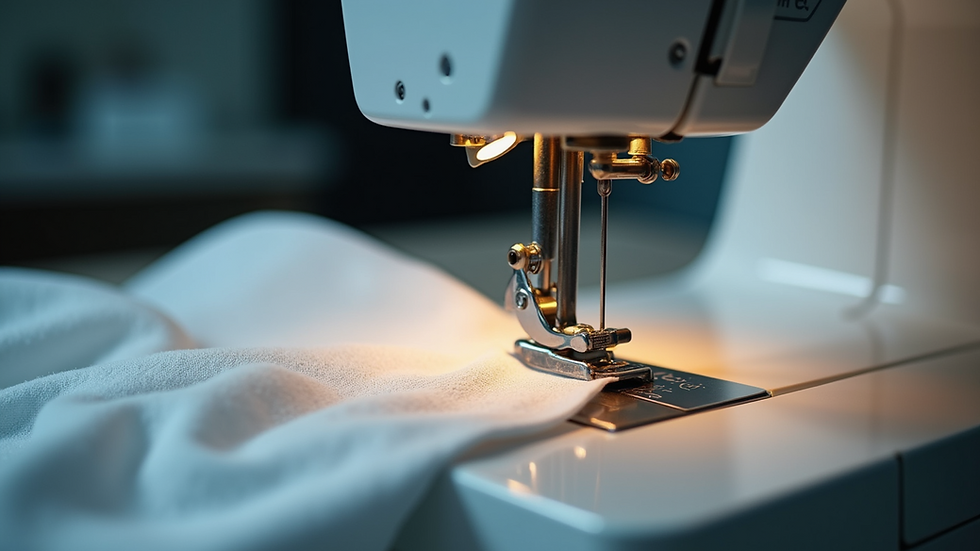
Sewing by hand or machine: While machines speed up production, hand sewing allows for finer details and repairs.
Embroidery: Adding decorative stitches to fabric to create patterns or images.
Weaving and knitting: Constructing fabric or garments from yarns using looms or needles.
Hand painting: Applying colors and patterns using different natural and market available pigments.
Each technique demands precision and practice. For example, embroidery requires steady hands and an eye for symmetry, while dyeing involves knowledge of colorfastness and fabric compatibility.
Artisans use tools such as needles, scissors, measuring tapes, sewing machines, and specialized equipment like looms or block printing stamps. The workspace is often organized to facilitate smooth workflow, with materials and tools within easy reach.
How to price handmade garments?
Pricing handmade garments can be challenging but is crucial for sustaining the craft and business. Here are some practical steps to determine a fair price:
Calculate material costs: Include fabric, thread, buttons, zippers, and any embellishments.
Factor in labor: Estimate the time spent on designing, cutting, sewing, and finishing. Multiply by a reasonable hourly wage.
Add overhead expenses: Consider costs like workspace rent, utilities, tools, and marketing.
Include profit margin: A healthy profit ensures the business can grow and artisans are rewarded.
Research market rates: Compare prices of similar handmade apparel to stay competitive.
Consider uniqueness and complexity: More intricate designs or rare materials can justify higher prices.
For example, if a handcrafted garment takes 10 hours to make, materials cost ₹500, and the hourly wage is ₹300, the labor cost is ₹3000. Adding overheads of ₹500 and a profit margin of 20% results in a price of around ₹4800.
Pricing should also reflect the value customers place on quality, exclusivity, and ethical production. Transparent communication about the effort and materials involved can help customers appreciate the price.
Benefits of Choosing Handmade Apparel
Opting for handmade apparel offers several advantages beyond aesthetics:
Sustainability: Handmade garments often use eco-friendly materials and processes, reducing environmental impact.
Support for artisans: Purchasing handmade supports local craftspeople and preserves traditional skills.
Customization: Many artisans offer bespoke services, allowing customers to tailor garments to their preferences.
Quality assurance: Handmade apparel is usually made with greater attention to detail, resulting in longer-lasting clothes.
Ethical production: Handmade items are less likely to be associated with exploitative labor practices common in fast fashion.
By choosing handmade apparel, consumers contribute to a more responsible and meaningful fashion industry.
Tips for Caring for Handmade Apparel
Proper care extends the life of handmade apparel and maintains its beauty. Here are some actionable recommendations:
Read care labels carefully: Follow specific instructions for washing, drying, and ironing.
Hand wash delicate items: Use mild detergents and cold water to prevent damage.
Avoid harsh chemicals: Steer clear of bleach or strong stain removers.
Store properly: Use padded hangers or fold garments to avoid stretching or creasing.
Repair promptly: Fix loose threads or minor tears early to prevent further damage.
Rotate usage: Avoid wearing the same garment too frequently to reduce wear and tear.
Taking these steps ensures that your handmade apparel remains a cherished part of your wardrobe for years.
Embracing the World of Handmade Apparel
The world of handmade apparel invites us to slow down and appreciate the artistry behind every garment. Whether you are a creator or a consumer, engaging with handmade clothing fosters a deeper connection to fashion and culture. By choosing handcrafted garments, you support a tradition of excellence and sustainability that benefits both people and the planet.
Explore the rich variety of handmade apparel available and discover pieces that resonate with your style and values. Each garment is a testament to the skill and dedication of artisans who pour their heart into every stitch. Embrace the art and craft of handmade apparel and make a statement that goes beyond fashion.


Comments